Top 6 Practical Tips To Measure Fleet Performance in 2026
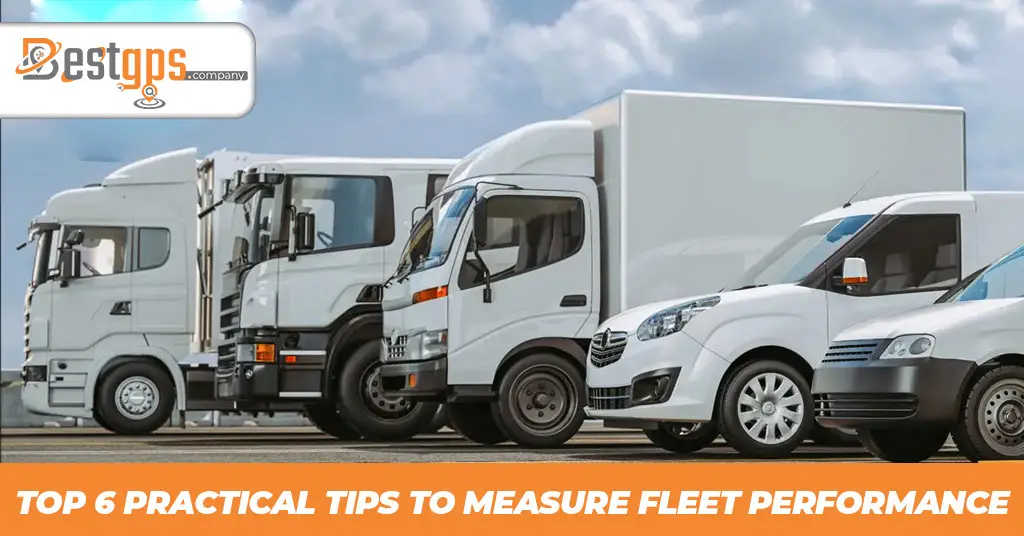
Businesses managing fleets on a regular basis face different operational issues, which, at the end of the day, result in reduced profitability. These challenges vary from fuel theft, idling, maintenance issues, accidents, fines due to violations, and much more. These challenges affect your business’s bottom line and profitability. Therefore, proper fleet management is a rising need in the UAE’s transportation hub.
Gone is the time when businesses had to rely on spreadsheets and manual logs. There was a time when managers used to call the drivers for an update every minute to ensure safety. Now, with technological advancement in 2026, it has become an easy task to manage the fleets of every size. There is no need to call the drivers for updates and use spreadsheets for data keeping. This guide is helpful for those who want to know about the tips to measure fleet performance and much more.
Best Ways To Measure Fleet Performance
There are some helpful tips that you can implement to measure the performance of your fleet vehicles. It includes:
1. Invest In GPS Tracking Solutions
It is advised to install a reliable and trusted GPS tracking device in all your vehicles. Installing tracking devices is an extra layer of protection for your vehicle’s security. It gives you accurate information about the vehicle location, status, movement, and much more. You can identify which vehicle is performing well and which is an underperforming vehicle. Besides this, it also helps in taking prompt action in situations like emergencies. You can identify the underperforming vehicles and implement best practices to enhance their productivity. Investing in such technologies helps in making better decisions for underperforming vehicles and enhances overall fleet performance.
2. Use Telematics Integration
Telematics integration is one such important measure that you should take for fleet performance analysis. It is a technological advancement used by most fleet or logistic businesses to identify different aspects of their business’s vehicle operations. It gives you multiple alerts on different aspects that help you identify improvement areas and improve the overall performance. You get multiple alerts like speeding, idling, harsh braking, fuel consumption, distance covered, geozones, and much more. Getting updates on different aspects helps you in identifying vehicle performance. You can identify whether the vehicles are performing well or not. You can also implement better practices to enhance the overall performance and profitability.
3. Integrate Multiple Sensors
Integrating multiple sensors like fuel sensors, temperature sensors, and other IoT sensors helps in keeping you updated about the fuel theft and temperature deviation. You can identify whether the fuel is being properly used, wasted, or resulting in theft. You can make better decisions and optimize routes that reduce fuel consumption, reduce expenses, and improve your business’s vehicle operations. Besides this, temperature sensors are also helpful in keeping you updated about even minor deviations that could result in product spoilage and affect successful vehicle operations.
4. Measure Driver Behaviour
Driver behavior plays an important role in the overall business vehicle operations. Risky driving can result in affecting your business profit and productivity. Mostly, drivers are habitual of driving habits like speeding, harsh braking, stop sign violations, instant acceleration, and many other habits like this. It results in affecting your productivity, profitability, and overall performance. Therefore, it is advised to keep an eye on the driving performance. Identify the drivers with risky driving performance and keep them accountable. Besides this, start performance based initiative for promoting positive driving and improving the overall performance.
5. Analyze Data Analytics
By implementing best practices like GPS tracking, telematics, and fleet management, you’ll get detailed reports on different aspects. The data report that you’ll get will help you identify different aspects of fleet performance that need improvement. You can identify the maintenance tasks, fuel consumption, distance travelled, and much more. By identifying these areas, you can implement best practices that could result in better performance and enhanced operational excellence. Besides this, advanced tracking systems also give reports on a daily, weekly, monthly, and annual basis for better analysis and decision-making.
6. Monitor Mileage & Maintenance
To measure the fleet performance, it is mandatory to monitor the mileage and maintenance. IT is advised to monitor the total distance covered per day by a vehicle. It will help you know the estimated fuel consumption and plan better routes for faster deliveries and completing more tasks per day. Besides this, monitoring maintenance schedules is also important to know the vehicle condition and ensure a longer lifespan for better productivity and performance.
It’s A Wrap!
Businesses managing fleet vehicles in 2026 must integrate some advanced technologies, like GPS tracking and telematics, for better management. Improving fleet performance is necessary for enhanced profitability and productivity. For better performance and enhanced productivity, it is advised to implement strategic measures like fleet management, driver behavior monitoring, analyzing detailed reports, analytics, monitoring mileage, and integrating multiple sensors. Implementing these measures ensures enhanced performance and operational excellence.