How Has GPS Technology Change The World?
Traditional navigation was all about relying on maps and compasses. It was difficult to navigate, communicate, and connect with the world. You’ll have to rely on maps and ask people for directions. When it comes to businesses, the fleet managers were using spreadsheets to keep data records. With the technological advancements, it is now easier to communicate, navigate, and handle everyday business tasks.
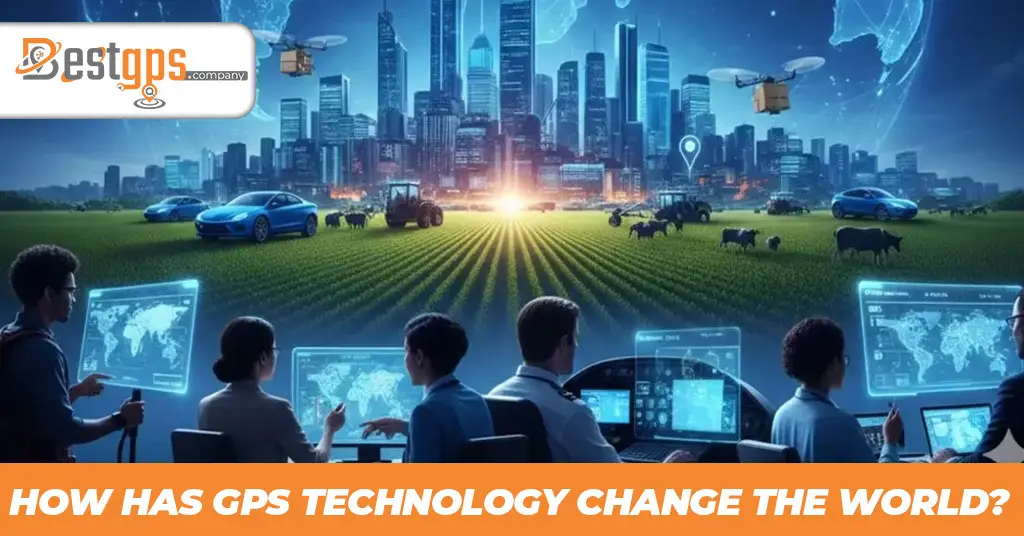
GPS has transformed the world in dealing with everyday tasks, including fleet management, logistics, shipments, navigation, and much more. Now, the world is more interconnected, and businesses can complete more tasks in less time. In this guide, you’ll get everything about what GPS technology is, how it works, how it has transformed the world, and much more.
What Is GPS Technology And How Does It Work?
It is a satellite navigation system that includes 32 satellites, along with 24 active satellites. It helps in determining the exact location of a person, vehicle, or asset that is anywhere in the world. At first, it was developed by the U.S. Department of Defence for military use. With time, the need was felt for civilian use. Nowadays, it is used widely for civilian purposes, which include:
- Vehicle tracking
- Navigation and maps
- Fleet management
- Delivery monitoring
- Ride-hailing apps
- Emergency services
- Fitness tracking
- Asset monitoring
It is commonly used unknowingly by people via apps like Google Maps for location or directions.
How Does GPS Work?
Its working process is straightforward, that is, as follows:
- Almost 24+ satellites in space are orbiting the Earth and continuously send signals that include their current location and time.
- After that, the signals are received by the GPS receiver. The GPS-enabled device could be a Smartphone, a car tracker, a navigation system, or a Smartwatch that receives signals from multiple satellites.
- Once the signals are received, the receiver identifies how much time satellite signals take to arrive. Using the signals from 4 satellites, the tracking device calculates latitude, longitude, speed, direction, altitude, and exact position, which is known as trilateration.
- Once the GPS device calculates its distance from the four satellites, it uses geometry to determine the location on Earth in three dimensions.
- The main components of this technology include the space segment, the control segment, and the user segment.
Impact Of GPS Technology In Different Fields Worldwide
GPS has had a great impact on our everyday lives, from logistics, transportation, and navigation, to shipment, communication, and much more.
1. Road Navigation
GPS has proved helpful in road navigation. There was a time when travelling long distances was considered a difficult task. You’ll have to depend upon maps and road signs for navigation. Now, with GPS, navigating any place in the world is not an issue. All you need to do is add your destination to your Google map and get accurate directions to reach the destination on time.
2. Fleet Management
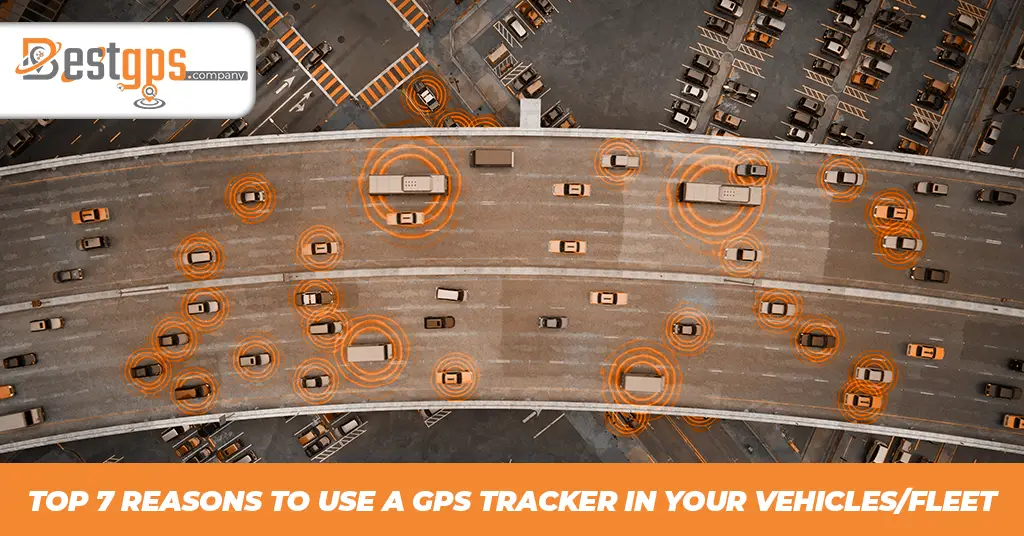
It plays an important role in fleet management and logistics. It is no longer difficult for the fleet managers to manage small or large fleets. With a reliable and trusted GPS tracking system, you can now manage your entire fleet operations from the comfort of your space. You get better visibility and control, and give a quick response to emergencies. From the mobile app, you can get visibility into the location, movement, and status of your fleet vehicles. Not only this, but you can also get comprehensive reports on idling, fuel usage, speeding, and much more for better productivity and profitability.
3. Real-Time Tracking
It also gives a real-time tracking opportunity to monitor and locate all your vehicles anywhere, anytime. You can monitor your vehicle location in real-time. It helps in identifying idling durations and gives instant alerts for unauthorized vehicle access. These things help in taking instant action for emergency response and reduce the likelihood of theft. Besides this, you also get an accurate ETA for deliveries, which helps in improving customer trust and brand reputation.
4. Transportation And Logistics
Through the use of GPS technology, industries like transportation and logistics have experienced a significant transformation. Before this technology, companies struggled with vehicle tracking, delivery delays, fuel theft, and route planning. With this technology, real-time tracking is now possible. Companies also optimize routes, fuel consumption is reduced, fleet efficiency is improved, and businesses gain complete visibility of deliveries.
5. Ride Hailing And Taxi Services
In today’s world, the trend of ride booking is so common and safe, which is just because of this tracking technology. Most of the ride-hailing companies like Uber and Careem are operating successfully and providing their services to countless individuals. GPS technology has enabled live driver tracking, route optimization, ETA calculations, and real-time trip monitoring. It has become an integral part of our daily activities that life feels impossible without it.
6. Maritime And Shipping Industry
GPS is used by the shipping and cargo companies to navigate the oceans, track containers, monitor cargo routes, and enhance maritime safety. It has reduced the navigation errors, cargo losses, and shipping delays. The best thing about it is that it has also improved the global trade experience. It is undeniable that sea navigation requires pinpoint accuracy, and a minor mistake can result in losing the lives of the sailors. Therefore, GPS has helped in sea navigation, saved lives, and ensured successful marine operations.
Some other industries where GPS has undergone a transformation include construction, agriculture, aviation, security, delivery services, and many others.
Wrapping up!
GPS technology has been an essential part of our daily activities. We use it every day without even knowing, like in smartwatches, mobile phones, laptops, and more. It has eliminated the need to rely on guesswork, spreadsheets, maps, or asking people for directions. It is used in different aspects of our lives, including fleet management, logistics, maritime, shipping industry, ride hailing, taxi services, transportation, and many others. It has helped in improving the operational excellence, profitability, and productivity of your business. Besides this, it is also helpful for personal or elderly people and tracking pets.